- Sign Posts & Accessories
- Traffic Barricades
- Delineators & Markers
- Sign Stands
- Signs
- Hi Vis Clothing
- Pavement Markers
- Fire Hydrant Markers and Caps
- Workzone Products
- Parking Lot Products
- School Zone Products
- Airport Products
- Winter Safety Products
Toggle Nav


- All Products
-
Sign Posts
-

Round Sign Post
Galvanized
2-3/8" 16 ga
TUFF'n Lite
Composite Sign PostsTUFF'n Lite #1 (U Channel)
TUFF'n Lite #2 (U Channel)
TUFF'n Lite #3 (Square Post)
2-1/2" OD Square Tube
U Channel Post
-
-
Featured
- By Application
- Quote/Resources
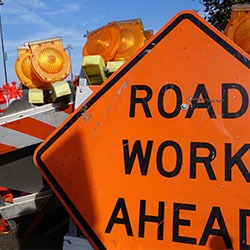


Type 3 Barricades
-
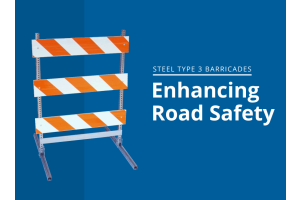
April 26, 2024When it comes to road safety and traffic management, choosing the right type of barricade is crucial for ensuring the safety of both motorists and pedestrians. Barricades commonly come in three types: Type 1, Type 2, and Type 3, each offering different levels of visibility and sturdiness to accommodate various situations and environments.
-
April 03, 2023
Barricades are essential for road safety, providing a physical barrier between motorists and pedestrians. They come in many types and sizes, each with its own unique characteristics that make it the best choice for certain types of road construction or traffic control situations. In this guide, we look at some of the most common types of barricades used in road safety, their benefits and drawbacks.
What are the different types of barricades?
Understanding the types of barricades available and their respective uses can help maximize road safety. Here is a guide to the different types of barricades used in road safety:
Type 1 & Type 2 Barricades
Typically made from lightweight, portable materials like plastic, wood, or thin gauge metal, most type 1 and 2 barricades utilize a collapsible a-frame design, with two sides that are hinged at the top.
-
July 06, 2020
Type 3 Barricades & Other Channelizing Devices save lives!
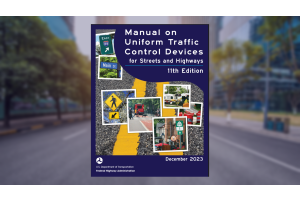
Type 3 Barricades are a type of traffic control device, which the current MUTCD (2009 edition) defines as:
“a sign, signal, marking, or other device used to regulate, warn, or guide traffic, placed on, over, or adjacent to a street, highway, private road open to public travel, pedestrian facility, or shared-use path by authority of a public agency or official having jurisdiction, or, in the case of a private road open to public travel, by authority of the private
-
June 15, 2020
Work Zone Devices Increase Safety for both Workers and Motorists
Work Zone Devices, including the Type III Barricade and Square Tubular Sign Stand, provide a highly visible, protective safety barrier between people and vehicles in construction zones. They are used for diverting and redirecting the flow of traffic, both vehicular and foot, to increase worker, pedestrian and motorist safety.
Work Zone Devices
- Improve Safety of Construction Zones
- Direct the Flow of Traffic
- Improve Visibility of Road Work Areas
- Provide

Recent Posts